
When the power goes out and your neighbors are freezing, you're still warm. When heating oil prices spike, your budget stays stable. When you stack that last cord of firewood, you know exactly what winter will cost.
That's the reality of heating with wood.
Here are seven reasons why people choose wood as their primary heat source — and why it might make sense for you.
1. Wood Heat Can Save You Money
Wood heating makes financial sense — especially in rural areas where wood is abundant.
A typical family burning six cords of wood annually saves over $2,000 compared to heating with oil. Wood pellets run even cheaper — 63% less than electricity and 28-35% less than fuel oil and propane during the 2023-2024 heating season.
Cost per million BTU varies by region, but wood typically prices lower than most alternatives:
- Seasoned firewood: $10-20
- Wood pellets: around $13.55
- Natural gas: around $16.12
- Heating oil: around $28.62
- Propane: around $32.20
- Electricity: around $50.84
Unlike fossil fuel prices that swing with global markets, wood prices stay stable when sourced locally. You can plan your budget without worrying about surprise spikes.
2. It Works When the Power Goes Out
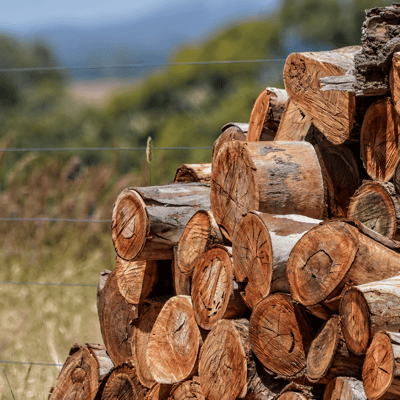 Beyond saving money, wood heating offers independence.
Wood stoves and boilers run without electricity. When winter storms leave your neighbors in the cold, you'll still have reliable heat. This matters most in rural areas where outages can last days.
During major storms, wood-heated homes often become community warming centers when centralized systems fail.
You're not at the mercy of utility companies or supply chains. If you've got wood stacked and a functioning stove, you've got heat.
3. Wood Is Better for the Environment (When Done Right)
Here's something that surprises people: when wood is harvested sustainably, it's essentially carbon neutral.
Trees absorb carbon dioxide as they grow. When you burn wood, that CO₂ is released — but new tree growth reabsorbs it. The U.S. Environmental Protection Agency recognizes this principle for managed forests.
Life-cycle analyses show wood's environmental advantages:
- Wood fuels produce just 5-7% of the greenhouse gas emissions of fossil fuels
- Wood pellets emit dramatically less than oil or natural gas
- Carbon-neutral when harvested from sustainably managed forests
Air quality is a legitimate concern with older wood stoves — traditional models emit significant particulate matter. Modern EPA-certified stoves have changed this, with new models emitting as little as 2.0 grams of PM2.5 per hour compared to 15-30 grams from older stoves. Secondary combustion chambers, catalytic converters, and better air controls make the difference.
The key is sustainable sourcing and using modern equipment.
4. Your Money Stays in Your Community
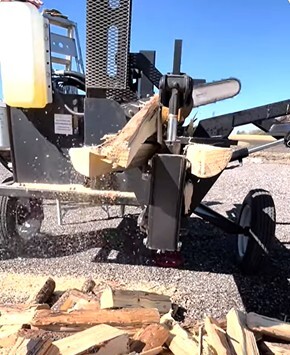 Wood is a local resource. That makes a real difference in your area's economy.
When you buy heating oil or propane, most of that money leaves the area. In Vermont, 78 cents of every dollar spent on fossil fuels leaves the state.
Money spent on wood heating circulates locally and supports:
- Forestry jobs
- Firewood processors
- Equipment dealers
- Stove installers
- Regional suppliers
Wood heat creates substantially more jobs in your area than fossil fuel systems. That's good for your neighbors, your town, and your economy.
5. The Heat Just Feels Better
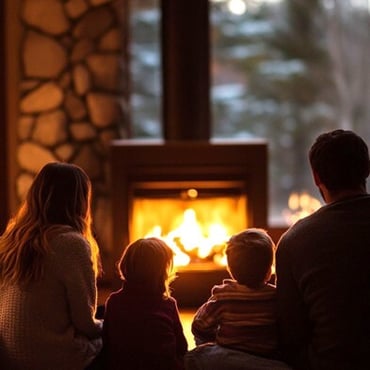 Ask anyone who heats with wood: there's a difference in how it feels.
Wood stoves provide radiant heat — the kind that warms you from the inside out. It's not the dry, forced-air heat that leaves you chilled the moment you step away from a vent.
Beyond the physical warmth, there's something else. Studies show that watching a fire lowers blood pressure and reduces stress. The crackling sound, the smell, the glow — it creates a natural gathering point that brings people together.
6. It Connects You to Tradition
For many people, heating with wood is more than a practical decision. It's an expression of values.
Gathering, splitting, and stacking firewood connects you to traditions passed down through generations. It's a symbol of self-reliance, resourcefulness, and connection to the land.
As one Maine resident put it:
"To heat with wood is to make a kind of personal statement. It says something to the world about what kind of person you are or want to be, about your values: that you are willing to work for the pleasures of that bone-penetrating heat."
In northern New England, the northern Rockies, and parts of the Midwest, wood heating is woven into local heritage. It's honest work that keeps you connected to the natural rhythms of the seasons.
7. Firewood Processors Make It Practical
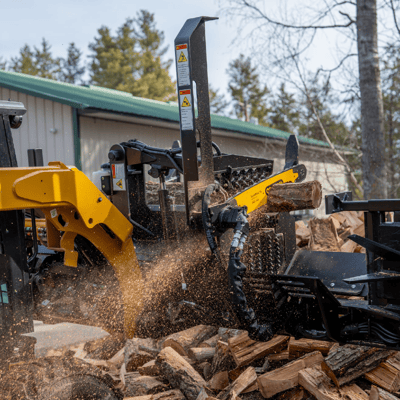 The biggest challenge with wood heating is the physical work. Cutting and splitting by hand is manageable when you're young, but staying with it long-term means finding an easier way.
Modern firewood processors solve that. They mount to your skid steer, tractor, or excavator so you can work from your cab. Pick up a log, cut it, split it, and drop finished firewood onto your pile – all without leaving the cab/
More firewood in less time with less effort; all from the safety and comfort of your machine’s cab.
Cut Smarter with Halverson
Wood heating offers real advantages: cost savings, independence, environmental benefits, and connection to tradition. But it only works long-term if you can keep up with the work.
Halverson Wood Products firewood processors solve that. You can process multiple loggers' cords in an hour instead of one over a day. The attachments work with equipment you already own, so you're not buying a standalone machine that sits idle much of the year.
When the next storm hits and the power goes out, you'll be warm. When fuel prices spike again, your budget will hold steady. That's the peace of mind that comes from heating with wood.
Ready to heat smarter?